Vetoquinol Aluspray Awd Wound Care Antiseptic Spray for Dogs and Cats (75ml)
Vetoquinol Aluspary Awd Wound Care Cat And Dog Antiseptic Spray
Vetoquinol Aluspray Awd is an easy-to-use antiseptic spray for dogs and cats designed to provide a protective barrier over wounds in dogs and cats. This cats and dogs spray for wounds forms a thin, adherent aluminum film that helps to shield the wound from external contaminants and supports the natural healing process.
Composition: NEOMYCIN + POLYMYXIN + BACITRACIN
Class: Antiseptic Spray
Why Does Your Pet Need Vetoquinol Aluspray Awd?
-
This antiseptic cat and dog spray provides an immediate metallic barrier that prevents flies and environmental bacteria from reaching open skin.
-
The fine mist application makes it the ideal antiseptic spray for dog and cat wounds located in hard-to-reach areas or on pets that are sensitive to touch.
-
It functions as a high-quality cat and dog antibacterial spray, utilizing a triple-antibiotic composition to combat a broad spectrum of common pathogens.
-
The water-resistant properties ensure the protective film stays intact even if your pet wanders through damp grass or rests on moist surfaces.
-
It supports a faster recovery cycle by keeping the wound environment clean and protected from the constant licking or scratching that often delays healing.
Directions for Use:
-
Clean the affected area thoroughly by removing any dirt or debris before applying the spray.
-
Shake the canister well to ensure the aluminum particles and active ingredients are properly mixed.
-
Hold the container approximately 6 to 8 inches away from the skin and apply a thin, even layer over the wound.
-
For small breeds or cats, a brief one-second burst is often sufficient to cover the localized area effectively.
-
Repeat the application 1 to 3 times daily or as specifically directed by your veterinarian based on the severity of the injury.
Storage:
-
Store in a cool, dry place away from direct sunlight and heat sources.
-
Keep the pressurized container away from open flames or sparks.
-
Ensure the nozzle is cleared after use and the cap is replaced securely.
-
Keep out of reach of children and pets to prevent accidental ingestion or eye contact.
At a Glance:
|
Category |
Details |
|
Product Type |
Topical Spray |
|
Actives |
Neomycin, Polymyxin, Bacitracin |
|
Parasites Covered |
N/A (Antibacterial) |
|
Eligibility |
Dogs and Cats |
|
Usage |
External Wound Care |
|
Frequency |
1-3 Times Daily |
|
Safety Notes |
Avoid contact with eyes |
Bonus: Enhance Your Pet's Wellness
-
Explore our Pet Pharmacy for a wide range of vet-approved medications and recovery aids.
-
Reward your pet with Cat Treats or Dog Treats for being a good boy or girl for pushing through the pain.
-
Maintain overall skin health by browsing our medicated shampoos
Also Read: How to Clean and Dress Your Dog's Wound at Home
Disclaimer: The information contained in Supertails is for informational purposes only and is not intended to be a substitute for professional medical advice, diagnosis, or treatment. Always seek the advice of your veterinarian or other qualified health provider with any questions you may have regarding a medical condition.
FAQs
Is it okay to use antiseptic on cats?
Yes, it is safe to use antiseptics on cats, provided they are specifically formulated for feline use. Products like Aluspray are designed to be non-toxic when applied topically. However, you should always prevent your cat from licking the area immediately after application to ensure the product remains effective and to avoid any potential digestive upset.
Can I put betadine on my cat?
While diluted betadine is often used in clinical settings, it can be messy and may cause irritation if not used correctly. A dedicated antiseptic spray for dog and cat wounds is generally preferred for home use. These specialized sprays provide a more consistent barrier and are easier to apply without causing additional stress or discomfort to your cat.
How can I disinfect my cat's wound?
To disinfect a wound, first gently flush the area with saline or lukewarm water to remove debris. Once clean, apply a cat and dog antibacterial spray to create a protective film. This prevents environmental contaminants from entering the site. Monitor the wound daily for signs of swelling or discharge, and consult a vet if it worsens.
Original: $3.42
-70%$3.42
$1.03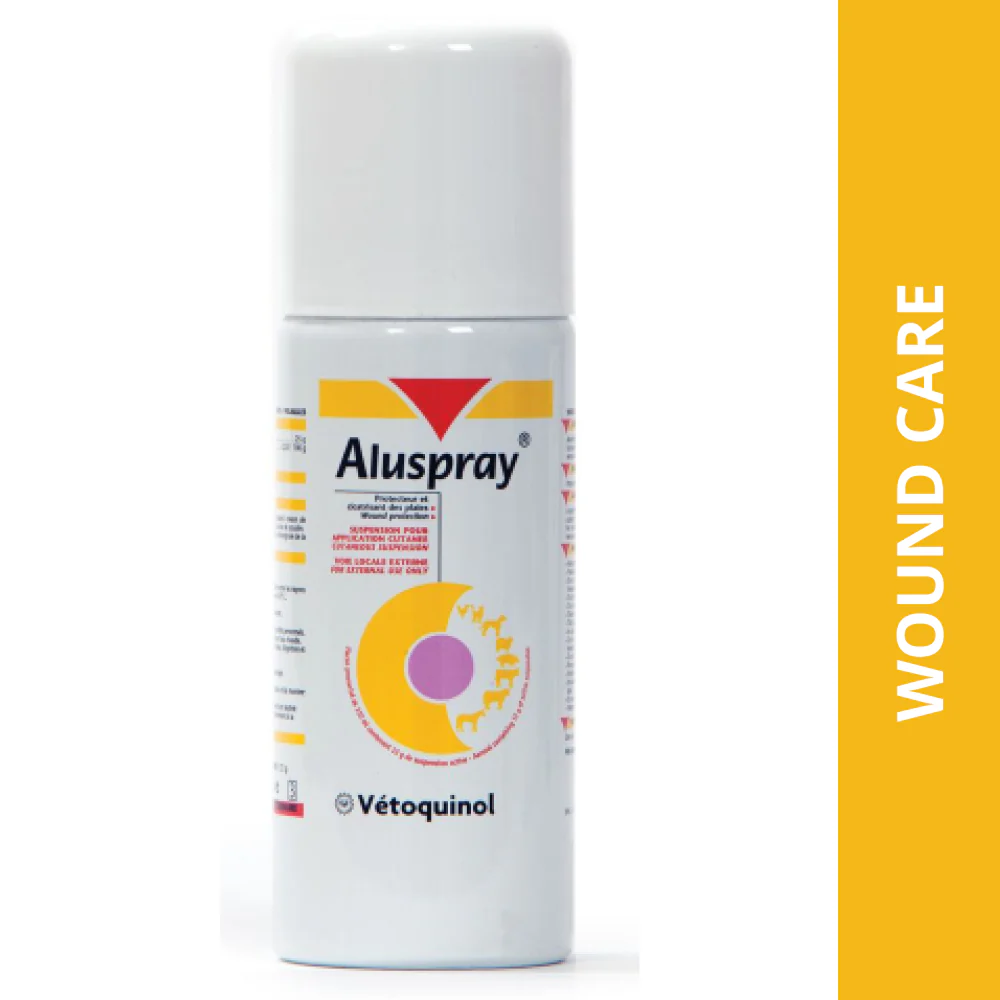
Description
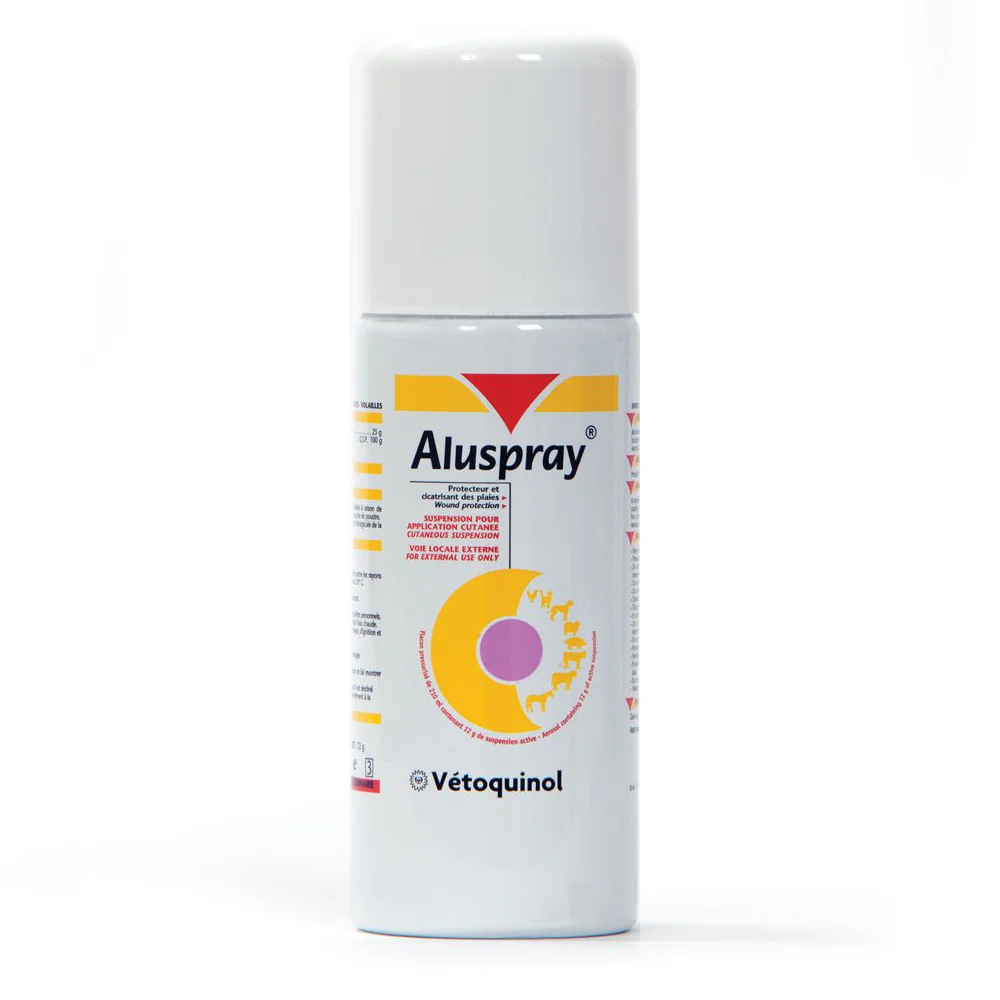
Vetoquinol Aluspary Awd Wound Care Cat And Dog Antiseptic Spray
Vetoquinol Aluspray Awd is an easy-to-use antiseptic spray for dogs and cats designed to provide a protective barrier over wounds in dogs and cats. This cats and dogs spray for wounds forms a thin, adherent aluminum film that helps to shield the wound from external contaminants and supports the natural healing process.
Composition: NEOMYCIN + POLYMYXIN + BACITRACIN
Class: Antiseptic Spray
Why Does Your Pet Need Vetoquinol Aluspray Awd?
-
This antiseptic cat and dog spray provides an immediate metallic barrier that prevents flies and environmental bacteria from reaching open skin.
-
The fine mist application makes it the ideal antiseptic spray for dog and cat wounds located in hard-to-reach areas or on pets that are sensitive to touch.
-
It functions as a high-quality cat and dog antibacterial spray, utilizing a triple-antibiotic composition to combat a broad spectrum of common pathogens.
-
The water-resistant properties ensure the protective film stays intact even if your pet wanders through damp grass or rests on moist surfaces.
-
It supports a faster recovery cycle by keeping the wound environment clean and protected from the constant licking or scratching that often delays healing.
Directions for Use:
-
Clean the affected area thoroughly by removing any dirt or debris before applying the spray.
-
Shake the canister well to ensure the aluminum particles and active ingredients are properly mixed.
-
Hold the container approximately 6 to 8 inches away from the skin and apply a thin, even layer over the wound.
-
For small breeds or cats, a brief one-second burst is often sufficient to cover the localized area effectively.
-
Repeat the application 1 to 3 times daily or as specifically directed by your veterinarian based on the severity of the injury.
Storage:
-
Store in a cool, dry place away from direct sunlight and heat sources.
-
Keep the pressurized container away from open flames or sparks.
-
Ensure the nozzle is cleared after use and the cap is replaced securely.
-
Keep out of reach of children and pets to prevent accidental ingestion or eye contact.
At a Glance:
|
Category |
Details |
|
Product Type |
Topical Spray |
|
Actives |
Neomycin, Polymyxin, Bacitracin |
|
Parasites Covered |
N/A (Antibacterial) |
|
Eligibility |
Dogs and Cats |
|
Usage |
External Wound Care |
|
Frequency |
1-3 Times Daily |
|
Safety Notes |
Avoid contact with eyes |
Bonus: Enhance Your Pet's Wellness
-
Explore our Pet Pharmacy for a wide range of vet-approved medications and recovery aids.
-
Reward your pet with Cat Treats or Dog Treats for being a good boy or girl for pushing through the pain.
-
Maintain overall skin health by browsing our medicated shampoos
Also Read: How to Clean and Dress Your Dog's Wound at Home
Disclaimer: The information contained in Supertails is for informational purposes only and is not intended to be a substitute for professional medical advice, diagnosis, or treatment. Always seek the advice of your veterinarian or other qualified health provider with any questions you may have regarding a medical condition.
FAQs
Is it okay to use antiseptic on cats?
Yes, it is safe to use antiseptics on cats, provided they are specifically formulated for feline use. Products like Aluspray are designed to be non-toxic when applied topically. However, you should always prevent your cat from licking the area immediately after application to ensure the product remains effective and to avoid any potential digestive upset.
Can I put betadine on my cat?
While diluted betadine is often used in clinical settings, it can be messy and may cause irritation if not used correctly. A dedicated antiseptic spray for dog and cat wounds is generally preferred for home use. These specialized sprays provide a more consistent barrier and are easier to apply without causing additional stress or discomfort to your cat.
How can I disinfect my cat's wound?
To disinfect a wound, first gently flush the area with saline or lukewarm water to remove debris. Once clean, apply a cat and dog antibacterial spray to create a protective film. This prevents environmental contaminants from entering the site. Monitor the wound daily for signs of swelling or discharge, and consult a vet if it worsens.